


Alcohol Drop & Swipe Test
Drop and swipe test for Allodynia Related to CRPS
If you suspect your patient may have Complex Regional Pain Syndrome (CRPS), a neurological disease characterized by severe pain and other symptoms, you can perform a simple in-office test called the “Alcohol Drop & Swipe Test” to help confirm Cold Thermal or Mechanical Allodynia, which are common symptoms of CRPS Type-1 and Type-2.
CRPS, also known as Reflex Sympathetic Dystrophy or Causalgia, can occur in anyone, at any age, following an acute injury or surgery. Patients with CRPS often exhibit symptoms such as discoloration, swelling, stiffness, heat, and disproportionate pain compared to the initial injury.
Diagnosing CRPS can be challenging, as there is no definitive test for the condition. However, the “Alcohol Drop & Swipe Test” is a quick and cost-effective way to identify and test for Cold Thermal or Mechanical Allodynia, which can be indicative of CRPS.
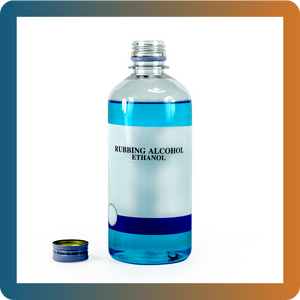
Step 1 – Testing for Cold Thermal Allodynia
1. Pour rubbing alcohol on an alcohol pad and let it drop on the patient’s affected limb.
2. If the patient experiences immediate, intense pain, it may indicate Cold Thermal Allodynia, a symptom of CRPS Type-1.
Step 2 – Testing for Mechanical Allodynia
1. Take the leftover alcohol swab and stroke the limb with the pad, moving towards the heart or inward.
2. If the patient experiences immediate, intense pain, this may indicate Mechanical Allodynia, a symptom found in CRPS Type-2, nerve entrapments, and radiculopathy.

Interpreting the Results
Why the Test Works
The test relies on Thermal Allodynia, which causes temperature-related pain due to minor changes in skin temperature. Rubbing alcohol feels much colder on the skin due to its evaporative cooling ability, leading to a quick sensation of pain in those with CRPS.
Conclusion
While the “Alcohol Drop & Swipe Test” is not conclusive, it can provide valuable information during your clinical evaluation for CRPS. Remember that a thorough assessment and ruling out other conditions are necessary for a definitive diagnosis. Keep in mind that symptoms of CRPS can vary and may not always be present during the test, so documenting the patient’s symptoms over time can be helpful.

